
Orthodontic Archwires
Which archwire belongs at each stage of treatment?
Match the wire to the treatment stage: super-elastic and heat-activated NiTi deliver light, continuous forces for early alignment and levelling, while stiffer stainless steel wires give the control needed for working and finishing. Coil springs manage space. Innobrace stocks round and rectangular wires across the common dimensions for a complete progression.
The archwire is the engine of tooth movement. Innobrace offers a full sequence — from super-elastic and heat-activated NiTi for gentle alignment, through stainless steel for working and finishing stages, to coil springs for space management.
Round and rectangular wires are available across the common dimensions so clinicians can build the exact archwire progression their mechanics require.
Archwires products
No products in this category yet.
Frequently asked questions
When should I use NiTi versus stainless steel archwires?
What are coil springs used for?
Do you supply both round and rectangular wires?
From the blog
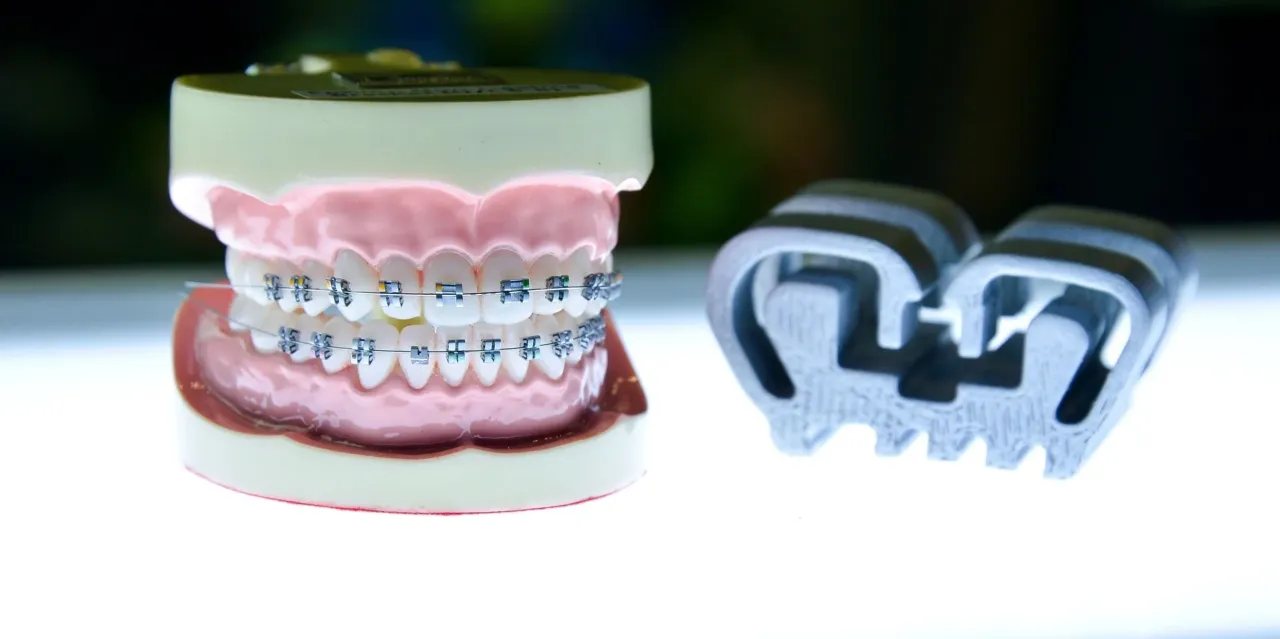
Inside the Flexibrace NLB: A Visual Walkthrough
A quick visual tour of the Flexibrace non-ligating bracket — with an annotated product image and two embedded clips showing how fast ligature-free wire changes really are.
5 Tips to Keep Your Clear Aligners Crystal Clear
Cloudy, stained trays undo the discreet look that makes clear aligners so popular. Five professional habits keep them invisible from the first tray to the last.
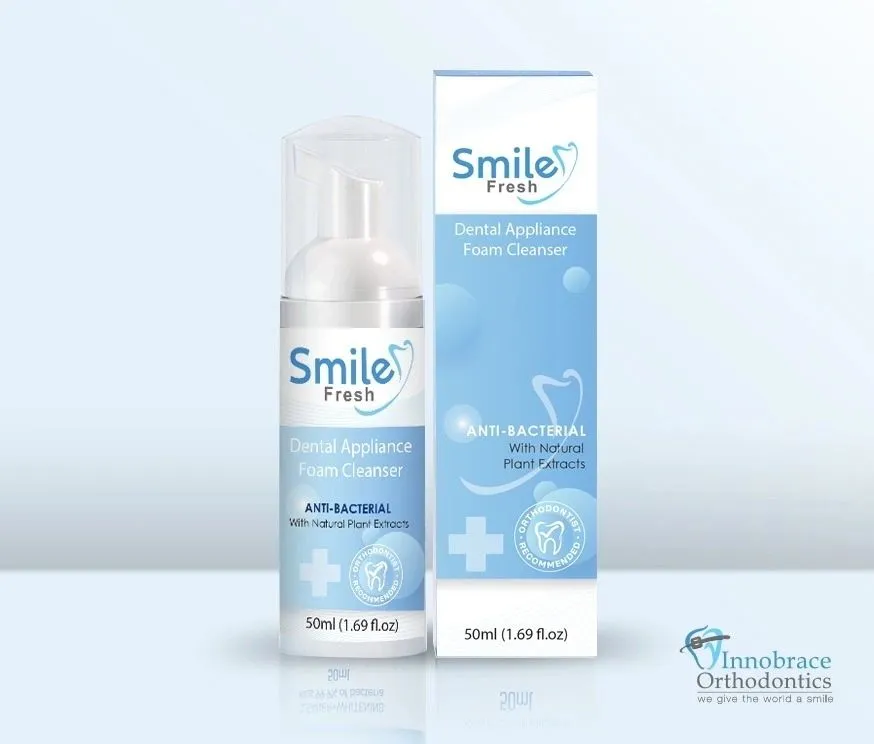
Introducing SmileFresh: The Ultimate Aligner Cleansing Foam
Keep your smile sparkling and your aligners fresh with every use! Specifically formulated to cleanse and sanitize your aligners, ensuring a healthier smile throughout your treatment.
Explore other categories
Bracket Systems
Metal, ceramic and non-ligating bracket systems for fixed appliance therapy.
Accessories
Modules, power chains, elastics, separators and clinical supplies.
Dental Whitening
Professional in-office whitening — Pearlescent NanoWhite.
Oral Care
Everyday hygiene products to keep smiles healthy — SmileFresh.